Neuromuscular Efficiency: Boosting Strength Through Neural Adaptation
Discover how neural adaptations improve your lifting performance and force production, helping you build strength more efficiently.
Understanding Neuromuscular Efficiency
When we talk about getting stronger, most of us immediately think about muscle hypertrophy—the physical increase in muscle fiber size. However, the secret to rapid strength gains, especially in the early stages of a training program, lies in your nervous system. Neuromuscular efficiency is the ability of your brain and nervous system to recruit the right muscle fibers, at the right time, with the right amount of force. It is the bridge between your conscious intent to lift a weight and the physiological execution of that movement.
For many athletes, performance plateaus aren't always due to a lack of muscle mass; they are often due to inefficient neural pathways. Your body has built-in 'safety brakes'—mechanisms like the Golgi tendon organ—that prevent you from using your full strength to avoid injury. Through consistent, intelligent training, you can 'teach' your nervous system to bypass these inhibitors, allowing you to recruit more motor units during every repetition.
The Role of Motor Unit Recruitment
Your muscles are organized into motor units, consisting of a single motor neuron and all the muscle fibers it innervates. To lift a heavy load, your brain must recruit a higher number of these units simultaneously. This process is known as rate coding. Beginners often struggle with strength because their nervous system is hesitant, firing motor units asynchronously or simply failing to activate high-threshold motor units effectively.
To improve this, you need to practice 'intent' during your sets. By moving the bar with maximum explosive intent—even if the weight is heavy and the actual speed is slow—you send a signal to your nervous system to prioritize force production. This neural drive is the primary reason why strength-focused training (lower reps, higher weight) feels so taxing on the central nervous system despite not necessarily causing the same 'burn' as high-repetition bodybuilding sets.
Techniques to Enhance Neural Drive
-
Explosive Concentrics: Focus on moving the load through the concentric (lifting) portion of the lift as fast as possible. This encourages the recruitment of Type IIb (fast-twitch) muscle fibers.
-
Heavy Intent, Light Weight: Utilize 'compensatory acceleration.' If you are squatting, focus on driving out of the bottom position with maximal effort, regardless of the load. This trains your brain to expect high force production at all times.
-
Consistent Technique Practice: Neuromuscular efficiency is highly movement-specific. If you want to increase your deadlift, you must deadlift often. The more you perform a specific motor pattern, the more your nervous system 'myelinates' the neural pathway, making the movement signal faster and more accurate.
Balancing CNS Fatigue
While neural adaptation is the key to strength, it is important to remember that the central nervous system recovers much slower than muscular tissue. Overloading your neural system with maximal intensity every day can lead to systemic burnout, characterized by decreased grip strength, irritability, and a drop in overall performance.
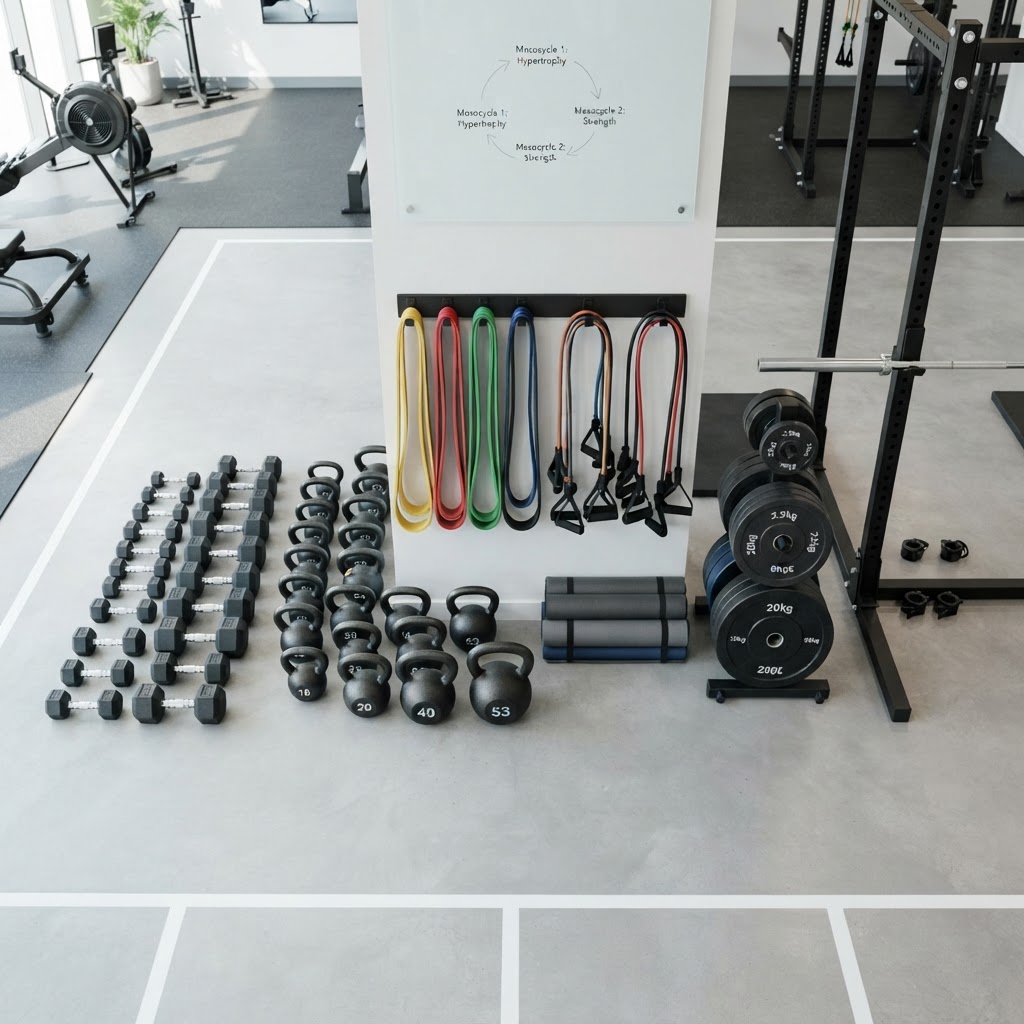
At Mogul Body, we recommend a periodized approach. Use 'neural priming' weeks where you focus on low-volume, high-intensity movements to sharpen your coordination, followed by higher volume weeks to focus on structural growth. Listen to your body; if your power output is dropping despite adequate rest, take a deload week to allow your nervous system to fully recover.
Final Thoughts
Strength is as much a skill as it is a physical attribute. By focusing on neuromuscular efficiency, you optimize how your brain communicates with your muscles, allowing you to lift heavier loads and perform better without needing to add extra muscle mass. Start by focusing on your movement intent, prioritize recovery, and watch your numbers climb as your nervous system becomes more efficient.