Strength·Sep 29, 2026·6 min read
Unilateral Training: Why Single-Limb Workouts Build Superior Strength
Discover how incorporating unilateral training into your routine can fix muscle imbalances, improve core stability, and accelerate your overall strength gains.
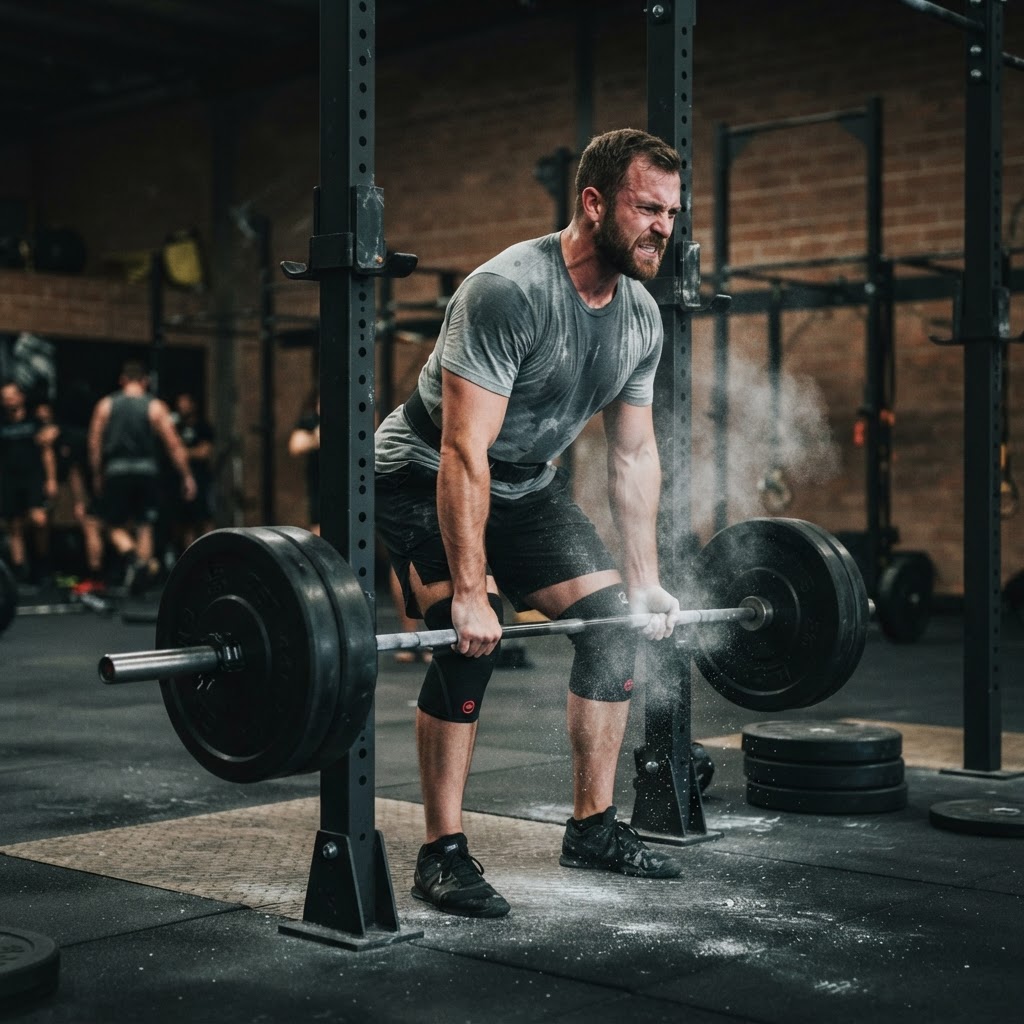
The Hidden Power of Single-Limb Training When you walk into a gym, you likely see most lifters glued to bilateral movements. Squats, deadlifts, and bench presses are the bread and butter of strength training, and for good reason—they allow you to move the most weight. However, exclusively relying on bilateral patterns can mask significant physical weaknesses. Enter unilateral training: the practice of training one limb at a time. By isolating each side of your body, you force your nervous system to work harder to stabilize your frame, leading to more complete athletic development. Many athletes suffer from 'side dominance,' where your brain subconsciously shifts load toward your stronger limb during heavy compound lifts. Over time, this leads to structural imbalances, increased injury risk, and potential plateaus in your lifting totals. Unilateral training acts as a corrective measure, ensuring that both sides of your body carry their fair share of the load. ## Correcting Asymmetries and Preventing Injury One of the primary benefits of unilateral movements is the identification of asymmetries. If you perform a set of Bulgarian Split Squats and find that your right leg feels steady while your left leg feels like it is vibrating, you have found a major area for improvement. Ignoring these discrepancies is how small tweaks turn into chronic injuries later on. When you train limbs individually, there is nowhere for a weak muscle group to hide. By dedicating time to single-leg lunges, single-arm presses, or split-stance deadlifts, you create a symmetrical foundation that protects your joints. When your stabilizer muscles are firing correctly on both sides, you become more resilient during heavy, bilateral compound movements, effectively bulletproofing your body against common lifting injuries. ## Boosting Core Activation and Stability You might think your core is only engaged during crunches or planks, but your deep stabilizers, specifically the obliques and quadratus lumborum, have a different job: resisting rotation. When you hold a dumbbell in only one hand while performing a Romanian deadlift, your body experiences an offset center of gravity. Your core must fight this rotational force to keep you upright. This is the definition of functional stability. Because your body has to work twice as hard to maintain balance, the neurological demand of these exercises is significantly higher than their bilateral counterparts. You aren't just training your primary movers; you are training your entire kinetic chain to stabilize under load, which translates directly to better performance in every other area of your life. ## How to Integrate Unilateral Moves into Your Routine You don't need to replace your heavy squats or presses to reap these benefits. Instead, treat unilateral work as a critical component of your accessory volume. Aim to dedicate 20-30% of your total workout volume to single-limb variations. For your lower body, prioritize Bulgarian Split Squats, Single-Leg Romanian Deadlifts, or Step-ups. For your upper body, try Single-Arm Dumbbell Bench Presses or Single-Arm Rows. Start by training your weaker limb first. If your left side is the 'weak' side, perform your sets there first, then match the rep count with your stronger side. This method prevents the stronger side from over-compensating and allows the weaker side to eventually catch up, bringing your body into perfect balance. Over time, you will notice that your bilateral strength increases simply because your foundational, individual limb strength has improved. ## Final Thoughts: Elevate Your Performance Breaking out of the bilateral-only habit is one of the most effective ways to push past strength plateaus. By incorporating unilateral training, you are investing in the longevity of your joints and the consistency of your output. It’s not just about lifting more weight; it’s about moving with intent and symmetry. Start today by swapping one of your standard accessory movements for a single-limb variation, and experience the difference in your stability and strength firsthand.
#strength training#fitness tips#muscle building#injury prevention