Unlocking Grip Strength: The Foundation of Lifelong Performance
Discover why grip strength is the ultimate indicator of longevity and how to train your hands to improve your overall lifting performance.

The Overlooked Pillar of Physical Power
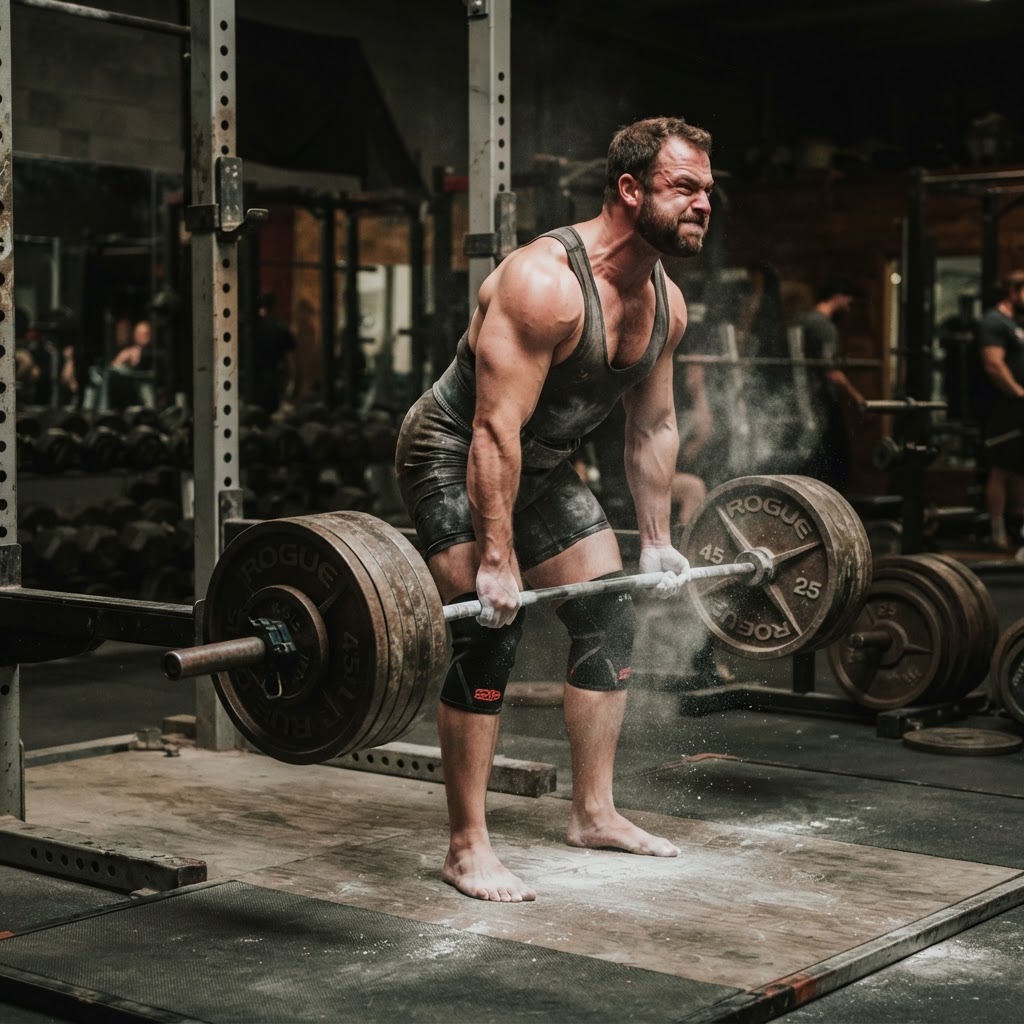
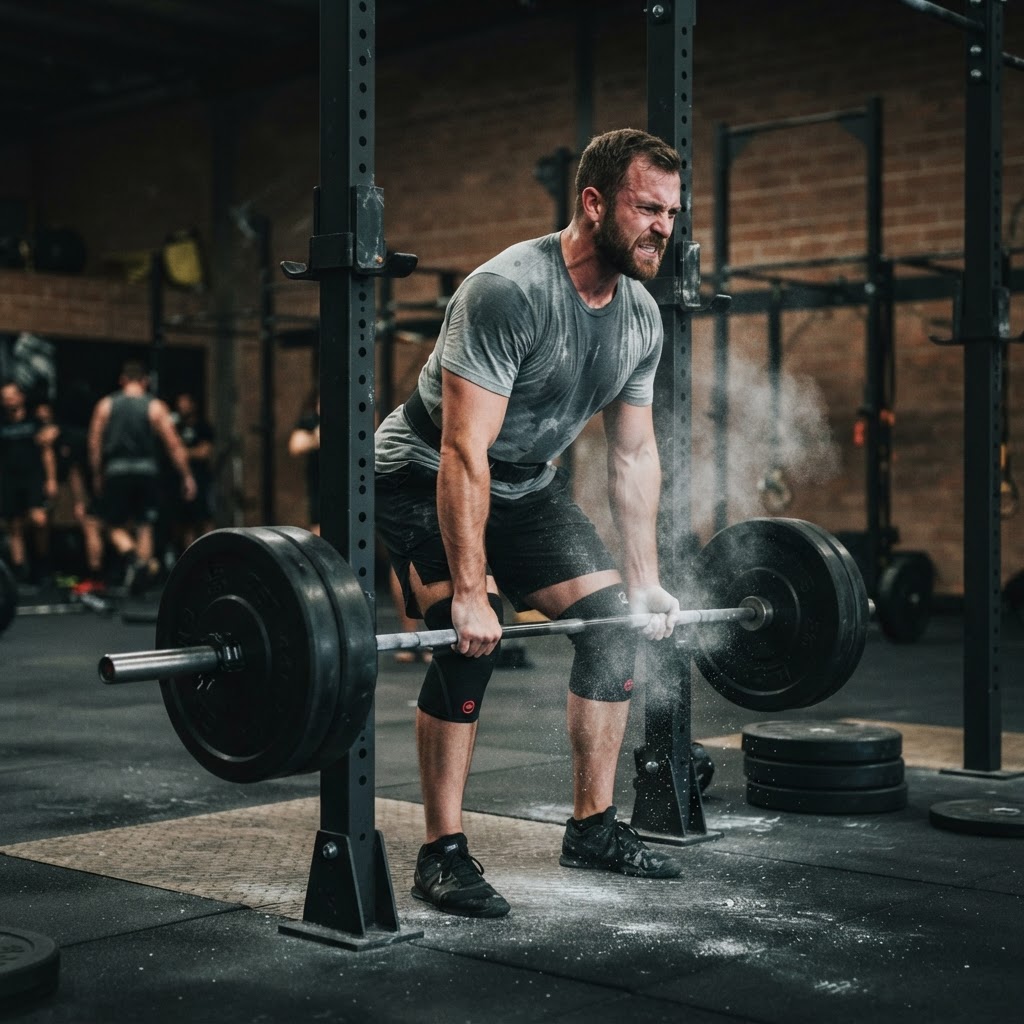
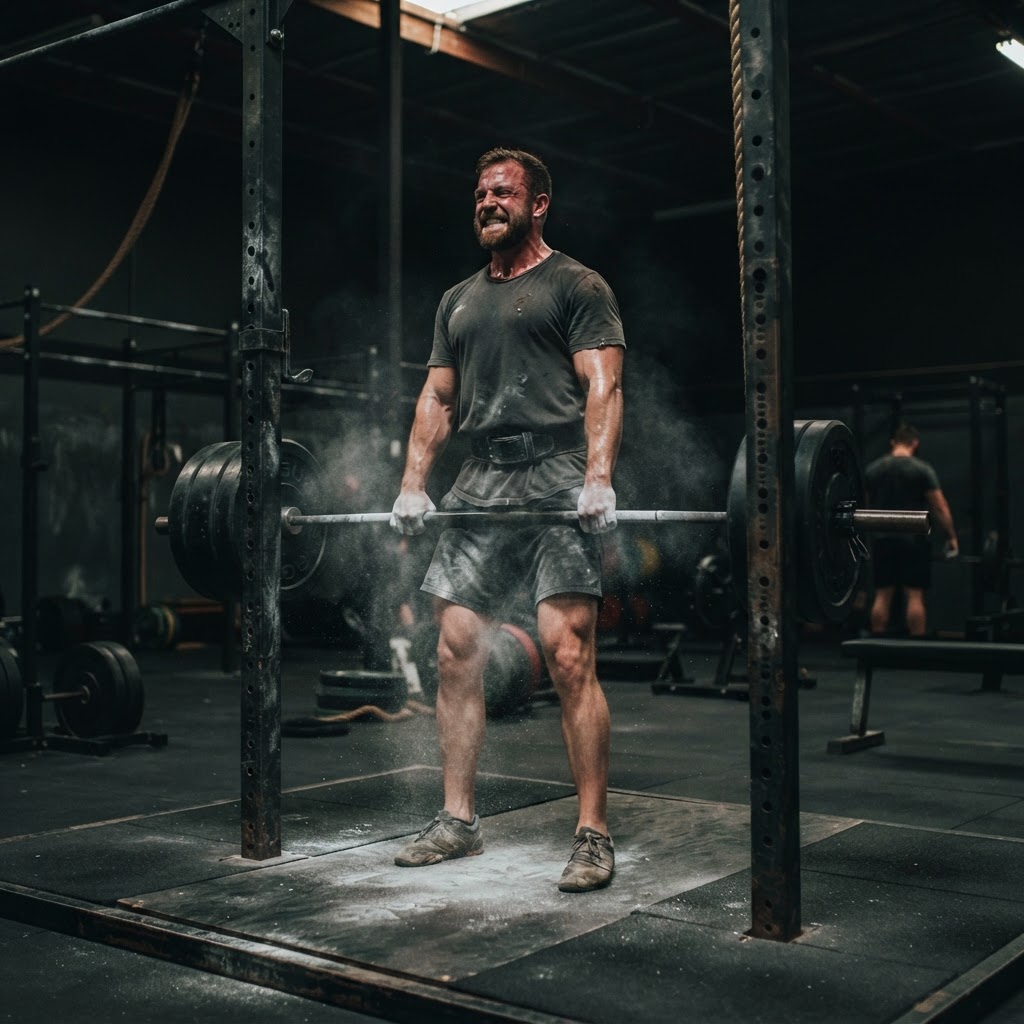
When most people think about strength training, their minds immediately drift to bench presses, squats, or deadlifts. We focus heavily on the larger muscle groups like the chest, back, and quads, often neglecting the very point of contact between our bodies and the iron: our hands. Grip strength is far more than just a party trick; it is a critical biometric marker for overall health, functional independence, and athletic output.
Research consistently shows that grip strength is a reliable predictor of cardiovascular health and all-cause mortality. Beyond the health markers, your grip is the literal 'weak link' in your kinetic chain. If your hands give out during a heavy row or a deadlift, your target muscles—the back and legs—never receive the stimulus they require to adapt. By fortifying your grip, you ensure that your central nervous system can fully recruit your primary movers, unlocking new plateaus in your training.
Understanding Grip Mechanics
To effectively train grip, one must understand that it is comprised of three distinct modalities: crush, support, and pinch. Crush grip involves the fingers and palm closing against a resistance, such as squeezing a heavy gripper or a tennis ball. Support grip is the ability to hold an object for an extended period, such as during a farmer's carry or a heavy deadlift. Finally, pinch grip requires holding an object between the fingers and thumb, emphasizing the strength of the thumb.
Most gym-goers rely heavily on straps for heavy pulling movements. While straps have their place for isolating the back, relying on them too early in your training career creates a disparity between your back strength and your grip capacity. To build a truly powerful physique, you must integrate targeted grip training that addresses all three modalities, ensuring that your hands remain a pillar of your strength rather than a barrier to progress.
Incorporating Grip Training into Your Routine
Integration does not require hours of extra gym time. Instead, use 'greasing the groove' techniques or targeted accessories at the end of your sessions. For support grip, the Farmer's Carry is the gold standard. By picking up the heaviest dumbbells you can manage and walking for 45-60 seconds, you force your forearms to stabilize under significant load. This carries over directly to your ability to hold heavier weights during traditional lifts.
For crush and pinch strength, consider incorporating towel hangs. By throwing a towel over a pull-up bar and performing your chin-ups or hangs while gripping the hanging ends, you exponentially increase the demand on your finger extensors and flexors. These movements are low-impact on your joints but provide a massive stimulus for forearm hypertrophy and neural adaptation.
The Role of Forearm Hypertrophy
While grip strength is often neurological, the forearm muscles—specifically the brachioradialis and the flexor digitorum—also respond well to hypertrophy-focused training. If you want aesthetic, vascular forearms that match your increased strength, include specific isolation work. Reverse barbell curls and wrist extensions can help balance the musculature of the forearm, preventing potential overuse injuries like medial or lateral epicondylitis (golfer's and tennis elbow).
Focus on controlled, slow eccentrics during these movements. The goal is to create tension throughout the entire range of motion, rather than simply moving a weight from point A to point B. Consistency is key here; aim for 2-3 sessions per week of focused grip work, and you will notice a significant improvement in your primary lifts within just a month.
Conclusion: Strengthen Your Anchor
Building a powerful grip is an investment in your longevity and your gym performance. By dedicating time to crush, support, and pinch training, you remove the 'weak link' from your lifting chain, allowing your body to perform at its true potential. Remember that strength is built on foundations; make your hands the strongest foundation they can be, and watch as your personal records in the deadlift and row continue to climb.